
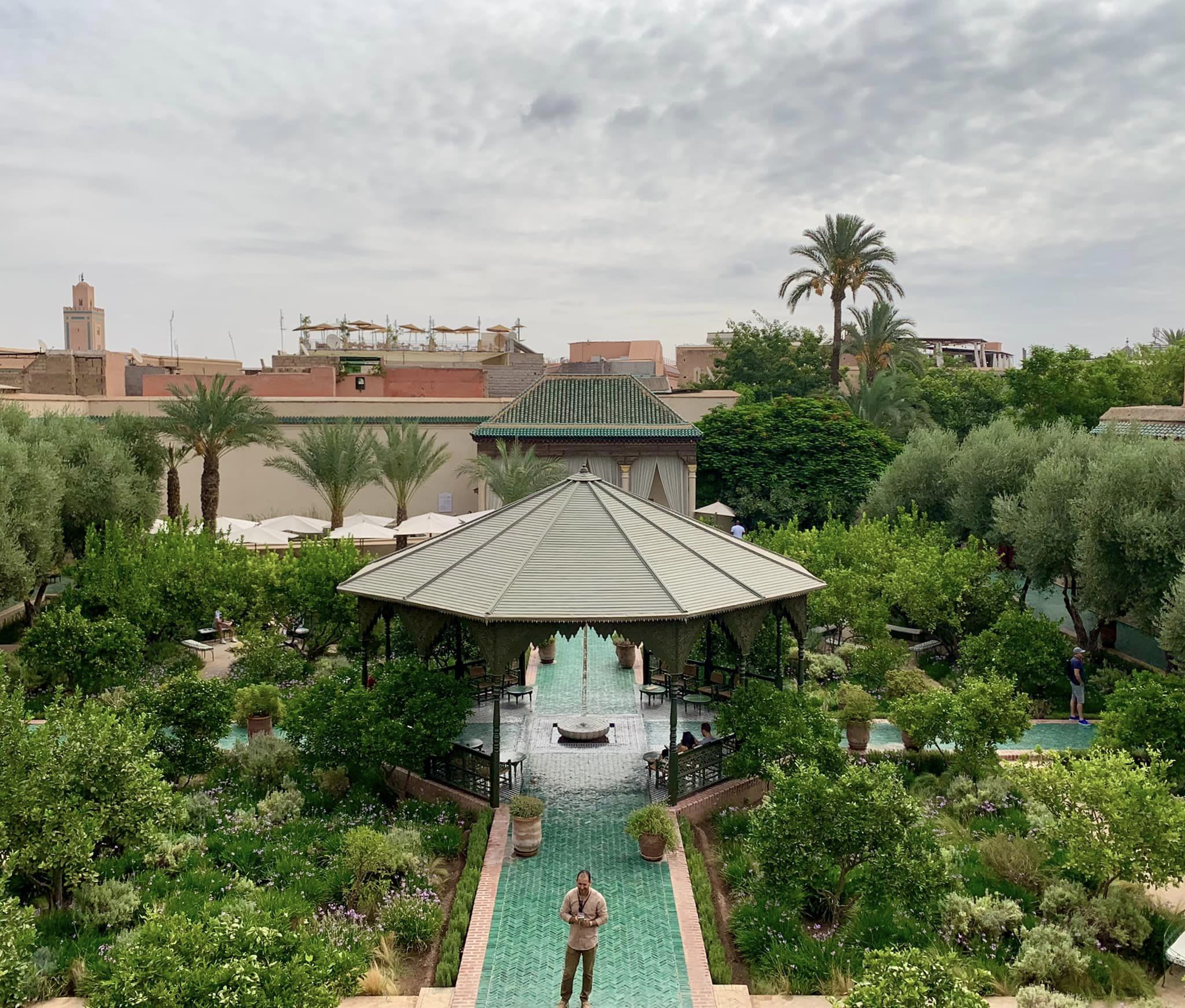
Diverse Landscape
Diverse Landscape
The Diverse Landscapes of Morocco: A Journey Through Nature’s Contrasts
Morocco is a country of striking contrasts, where snow-capped mountains, golden deserts, fertile plains, and dramatic coastlines coexist within a remarkably compact geography. Its diverse landscapes not only shape the nation’s climate and ecosystems but also influence its culture, architecture, and way of life. From the depths of the Sahara to the peaks of the Atlas Mountains, Morocco offers one of the most varied natural environments in North Africa.
The Majestic Atlas Mountains
Stretching across the heart of the country, the Atlas Mountains dominate Morocco’s landscape and form a natural barrier between the coast and the desert. These mountains are divided into three main ranges: the High Atlas, Middle Atlas, and Anti-Atlas. The High Atlas is the tallest, home to Mount Toubkal, North Africa’s highest peak. Its rugged terrain, deep valleys, and traditional Berber villages create breathtaking scenery.
The Middle Atlas is known for its cedar forests, freshwater lakes, and mild climate. It supports rich wildlife, including the Barbary macaque. In contrast, the Anti-Atlas in the south is drier and more rocky, featuring dramatic formations and ancient kasbahs. Together, these mountain ranges provide water resources, agricultural land, and shelter for rural communities.
The Sahara Desert and Southern Oases
To the south and southeast lies the vast Sahara Desert, one of the most iconic features of Morocco’s landscape. Endless dunes, especially in regions like Erg Chebbi and Erg Chigaga, stretch toward the horizon in waves of gold. The desert’s silence, extreme temperatures, and star-filled nights create an atmosphere unlike anywhere else.
Despite its harsh conditions, life thrives in the desert through a network of oases. These green pockets, filled with palm trees and freshwater springs, support agriculture and settlements. Historic caravan routes once connected these oases to major cities, making the Sahara an important center of trade, culture, and travel.
Fertile Plains and Agricultural Heartlands
North and west of the Atlas Mountains, Morocco’s fertile plains form the backbone of its agricultural economy. Regions such as the Saiss Plain, Gharb Plain, and Haouz near Marrakech benefit from rich soil and reliable rainfall. These areas produce olives, citrus fruits, grains, and vegetables that supply both local and international markets.
The contrast between the green plains and the nearby mountains or desert highlights Morocco’s geographic diversity. These agricultural zones also support many of the country’s largest cities, creating a strong link between nature and urban development.
Ready for Your Moroccan Journey?
Let us craft an unforgettable experience tailored just for you